Peeing While Running Postpartum
Exactly How To Take Care Of Leaks Throughout And After Pregnancy National Organization For Continence Bother of UI is heterogeneously analyzed and is reported as light to modest. Overarched low back positions raise intra-abdominal stress on the pelvic floor, simultaneously deteriorating core stabilization. Postnatal Pilates retrains perfect spinal positioning, integrating transverse abdominals correctly - and taking stress off the pelvic diaphragm. While Kegels seem the logical solution for SUI and pelvic flooring rehab, simply trying to "squeeze vaginal muscular tissues" fails to contract the suitable much deeper muscle mass airplanes. Furthermore, cesarean area has its very own risks consisting of bleeding and possible demand for transfusion, possibility of infection, dangers of anesthetic and the risk of surgical injury to the bladder or intestinal tracts. The long term pain and recuperation from cesarean each time when the mommy wants to be concentrated on caring for her baby are also not in any individual's best interest. Kegel exercises, also called Kegels or pelvic floor muscle training, are workouts for your pelvic floor muscular tissues to help prevent or minimize tension urinary incontinence. Your pelvic flooring muscular tissues support your womb, bladder, little intestine, and rectum. The primary reason for urinary incontinence is compromised pelvic flooring muscular tissues, which sustain your bladder and urethra. Prior to therapy, https://juliusujbi086.wordcanopy.com/posts/anxiety-urinary-incontinence it is essential that you speak with your medical professional regarding postpartum urinary incontinence to better comprehend precisely what's triggering it. Once recognized, your doctor will start developing a treatment plan that includes one or more of the adhering to. Among the greatest hurdles for numerous females is the cost of managing incontinence. If you qualify, we can assist you access top quality bladder control products, like pads and safety underwear, at no cost to you with your insurance coverage strategy. Telehealth is making a considerable influence in the health care sector, allowing people to have access to Article source almost any type of type of appointment online through their computer system or phone lenses. The occurrence and occurrence of UI in the post-partum duration are extensively studied. An organized evaluation on the occurrence of post-partum UI and the relationship to the mode of shipment was published in 2010 [13] Ladies can do several basic workouts in the comfort of their homes to strengthen pelvic floor muscle mass and improve bladder control. Doing just a few sets of Kegel works out a day can aid whip your pelvic floor muscle mass into shape.
- Your urethra is a tube that attaches to your bladder, and it allows urine to drain.
- The further down the baby's head enters into the hips, the greater the pressure versus these muscular tissues and hidden nerves.
- Trouble of UI is heterogeneously examined and is reported as moderate to moderate.
- Some research studies reveal modifications in the feature of these nerves in more than half of females adhering to vaginal delivery.
- Stress and anxiety urinary incontinence results when intra-abdominal pressure overrides urethral closure pressure, unwillingly releasing urine.
- Right here's what you need to understand about the symptoms of postpartum incontinence and just how therapy can assist you feel like on your own once more.
Pelvic Instructor Tools
What does postpartum urinary incontinence seem like?
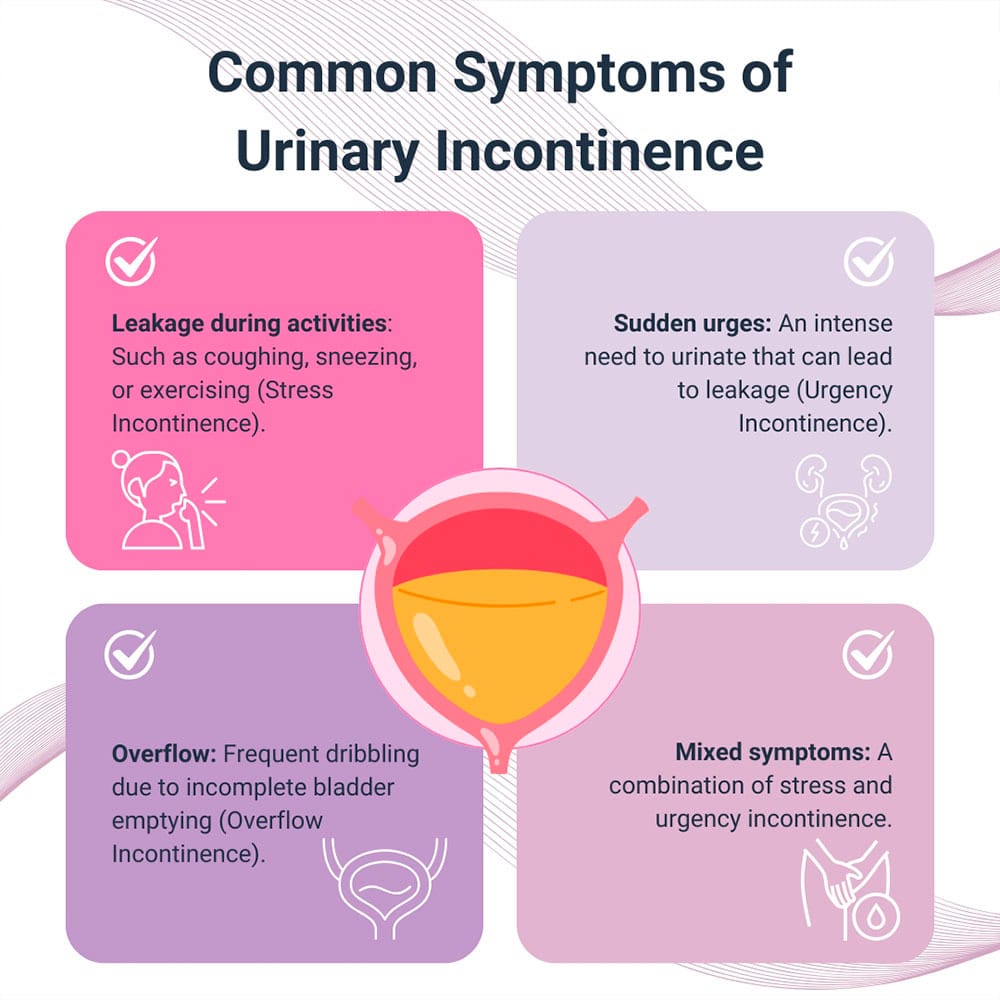
Around 1 in 3 ladies experience urinary system incontinence after having an infant. After giving birth, you might leak urine when you laugh, coughing, sneeze, raise something or exercise. Pregnancy hormonal agents, the weight of your uterus and having a vaginal birth can all stretch the pelvic floor muscles that support your bladder.

Handle The Issue Currently, And Fix It For Tomorrow
Postpartum urinary incontinence is involuntary dripping of pee that can occur after pregnancy and childbirth. Women and their medical professionals need to go over these concerns before labor and shipment and to find to some contract as to the reasonable choices if a lengthened labor or difficult labor is encountered. Some females may pick to prevent cesarean area in all prices, while others might go with earlier cesarean section. As an individual, each woman can function as both a consumer and advocate for her own wellness. The sources on our website are provided for informational purposes only. You need to constantly seek advice from a medical care specialist regarding any type of medical diagnoses or treatment options. Throughout those six to twelve month of recovery, your body remains to experience hormone adjustments that influence your bladder. As your uterus agreements back to its initial dimension, it can put added stress on your bladder. After an initial drop in prevalence of UI at 3 months post-partum (21%), at 1 year post-partum, prevalence rises once more to 31%. UI prevalence does not differ between primi- and multiparous ladies. It occurs because of the strain that pregnancy and delivery put on the pelvic floor muscles, nerves, and connective tissues that sustain the bladder and bowel. After giving birth, these muscle mass may be extended, weakened, or temporarily harmed, making it more difficult to completely control bladder or bowel function. Therefore, some individuals experience loss of bladder control when coughing, giggling, sneezing, exercising, or feeling an unexpected impulse to go to the shower room. Right here, we'll explain in even more information why this takes place and just how to include urinary incontinence care to handle signs. Nonetheless, unless distribution takes place promptly, the baby's head remains to be pushed versus the cells. For some women this stress can cumulatively add up to lots of hours.